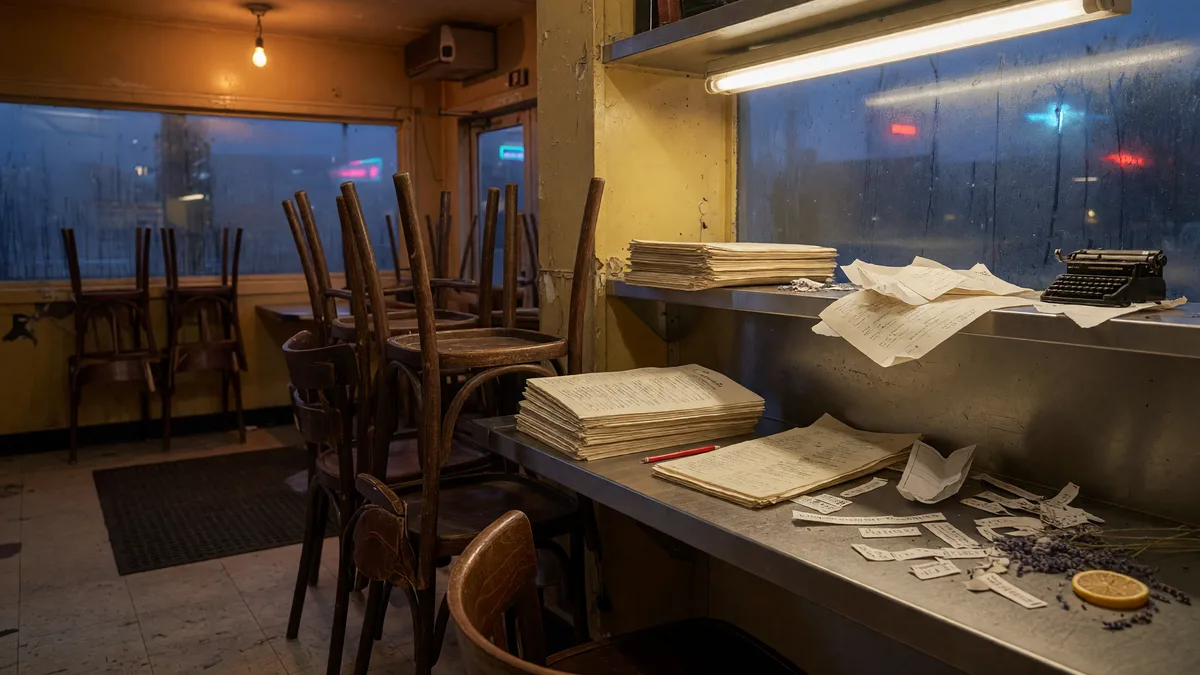
How to read a restaurant menu's hidden language: codes, abbreviations, and what chefs really mean
From 'market price' to 'entrée,' the words on a Manhattan menu carry more history and more math than most diners realize.
Food as city life: immigrant kitchens and what the second generation changes, greenmarkets and suppliers, delivery platforms and their effect on menus, dining rooms that outlive the neighborhoods around them, and the rituals New Yorkers build around a regular table. Reported with attention to the people cooking.
How the city eats: immigrant kitchens and second generations, greenmarkets, delivery apps, and dining rooms that outlast the blocks around them.
From 'market price' to 'entrée,' the words on a Manhattan menu carry more history and more math than most diners realize.
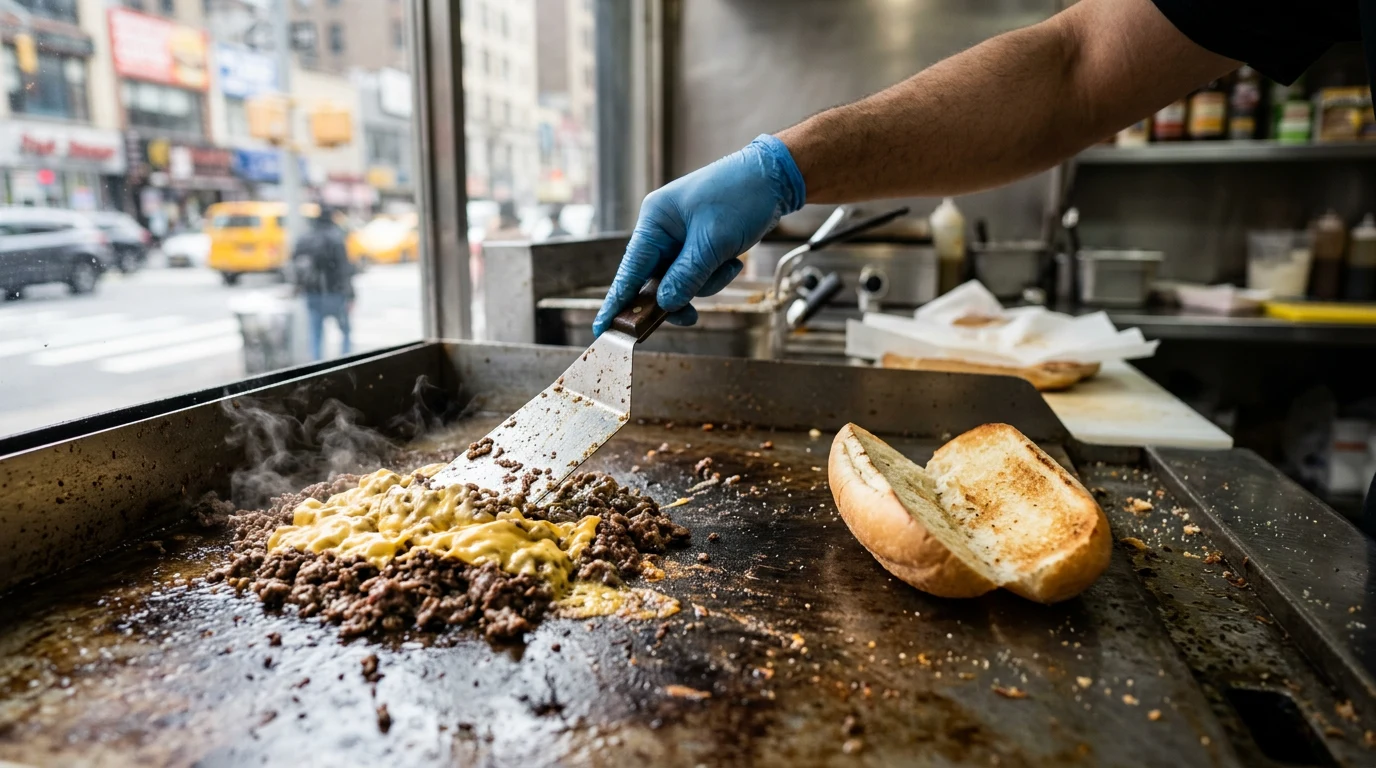
At Blue Sky Deli on First Avenue, the counter’s own staff can’t agree on the sandwich’s origin — which is part of why the story keeps traveling.
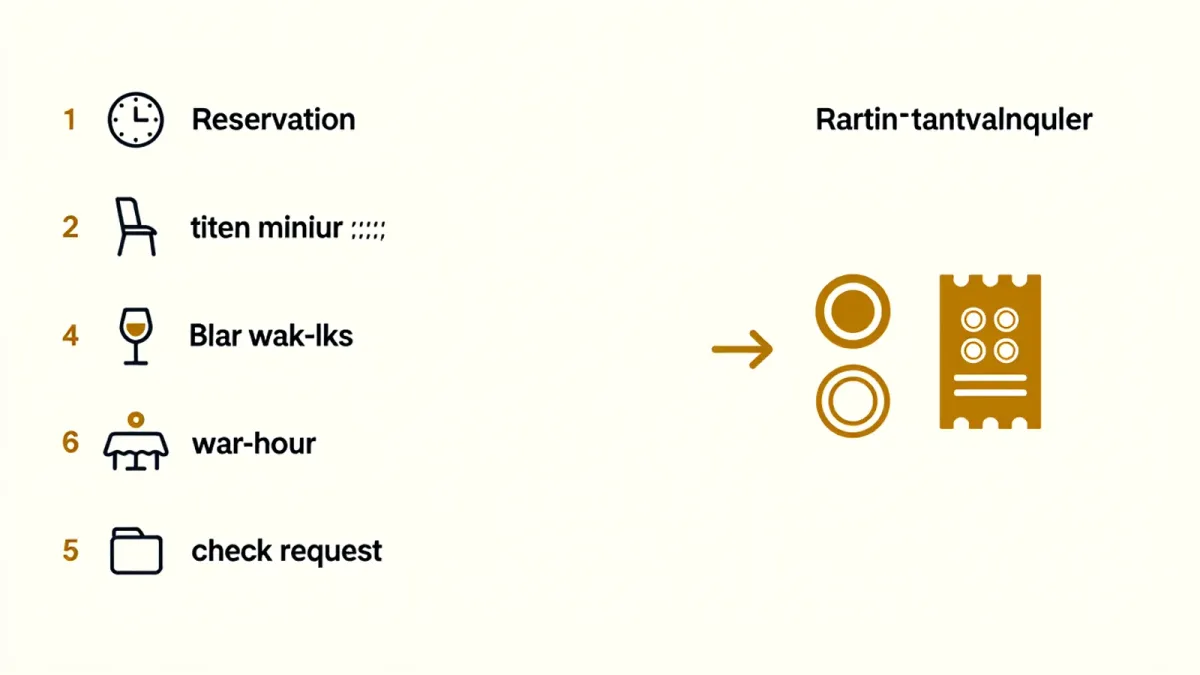
New York dining has its own etiquette — set by real estate, clocks and crowds — and knowing it makes every table better.
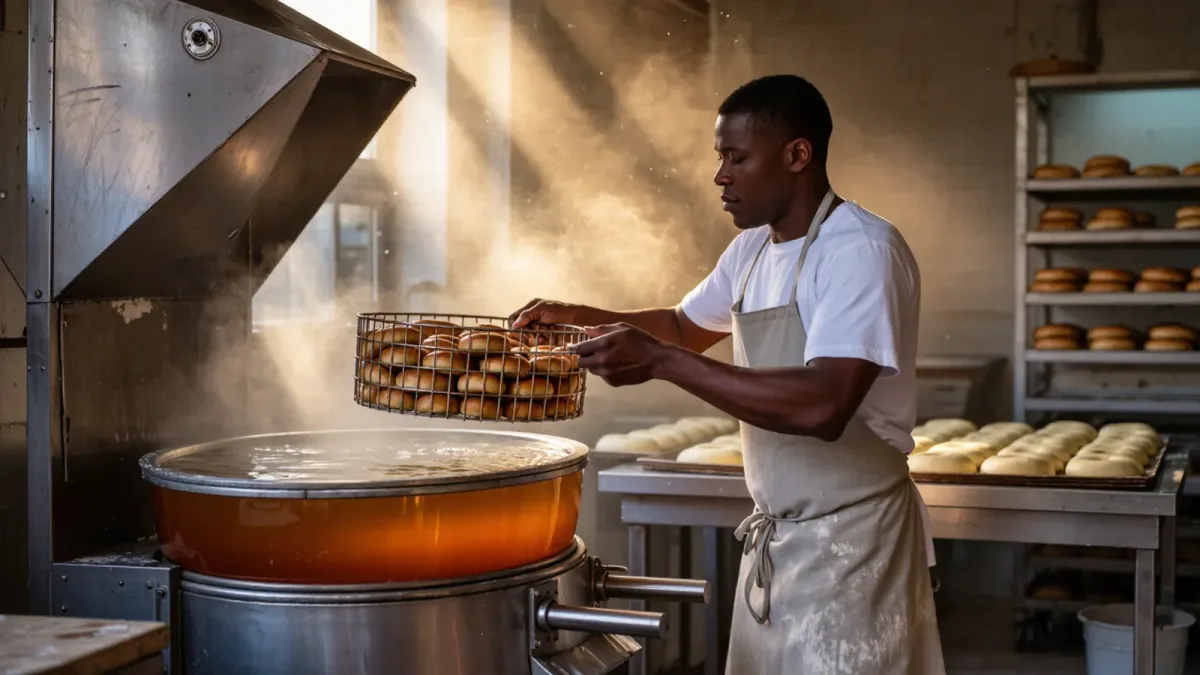
A Polish-Jewish bread arrived with the immigrants, got unionized on the Lower East Side, and then mechanized its way to becoming the city's default breakfast.
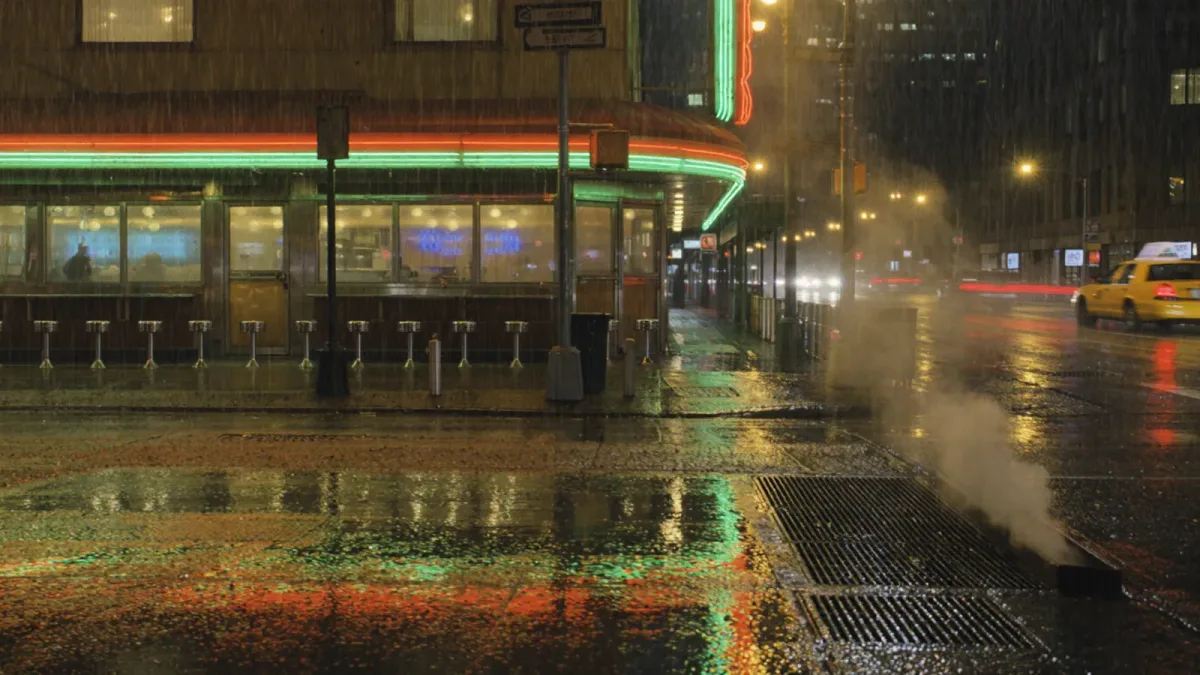
From Dorothy Parker's round table to the dining car of every Woody Allen fantasy, Manhattan's restaurants have starred in the city's stories as long as it has had them.
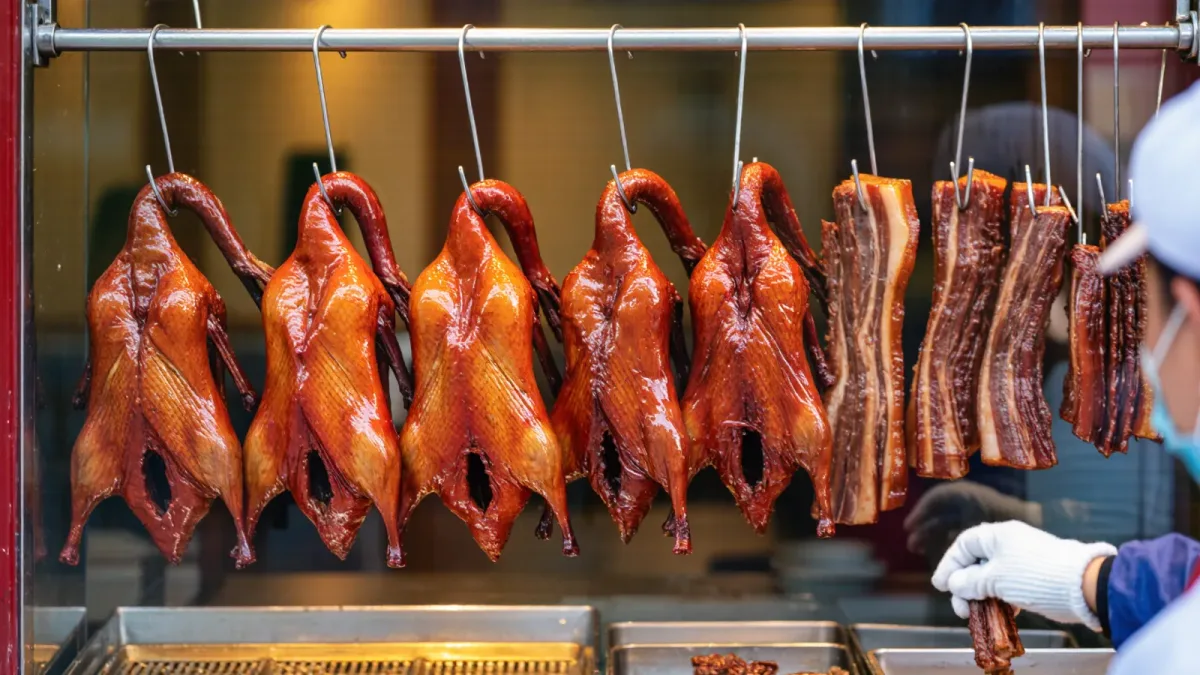
Cantonese beginnings, Taishanese cookery, Fujianese arrivals and East Broadway's ivory trade of flavor — Chinatown's menus are a map of migration.
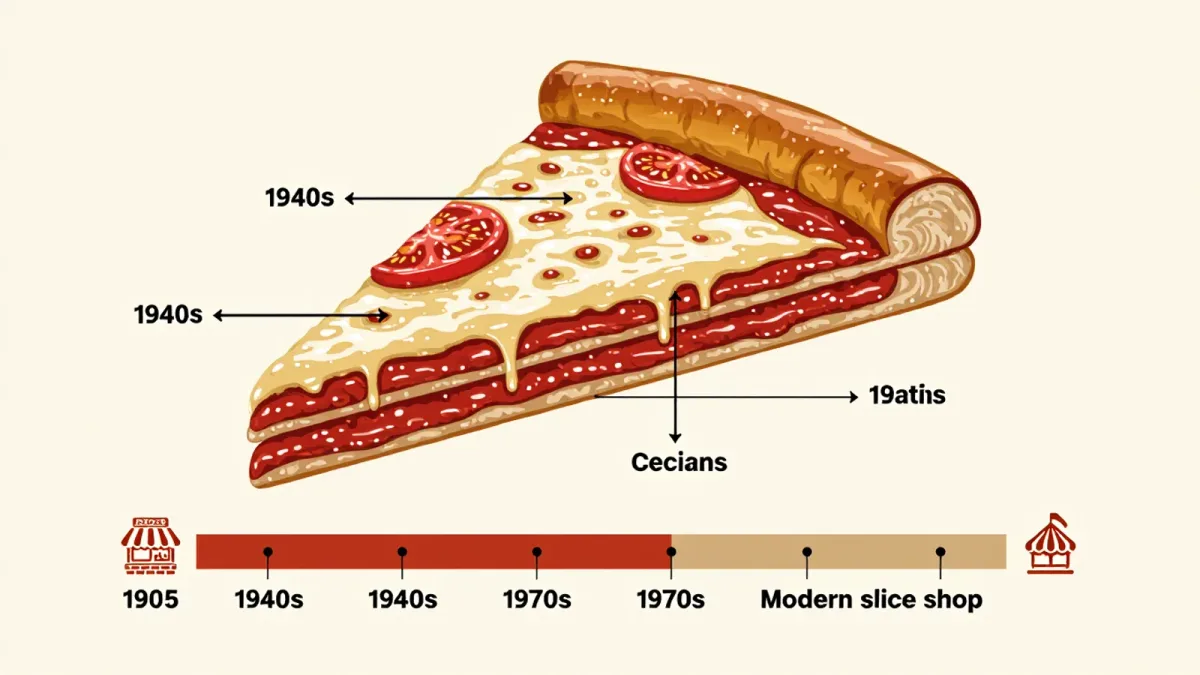
Baked for the whole pie, sold by the single piece, eaten folded on the street — the New York slice is an invention of the city's economics as much as its ovens.
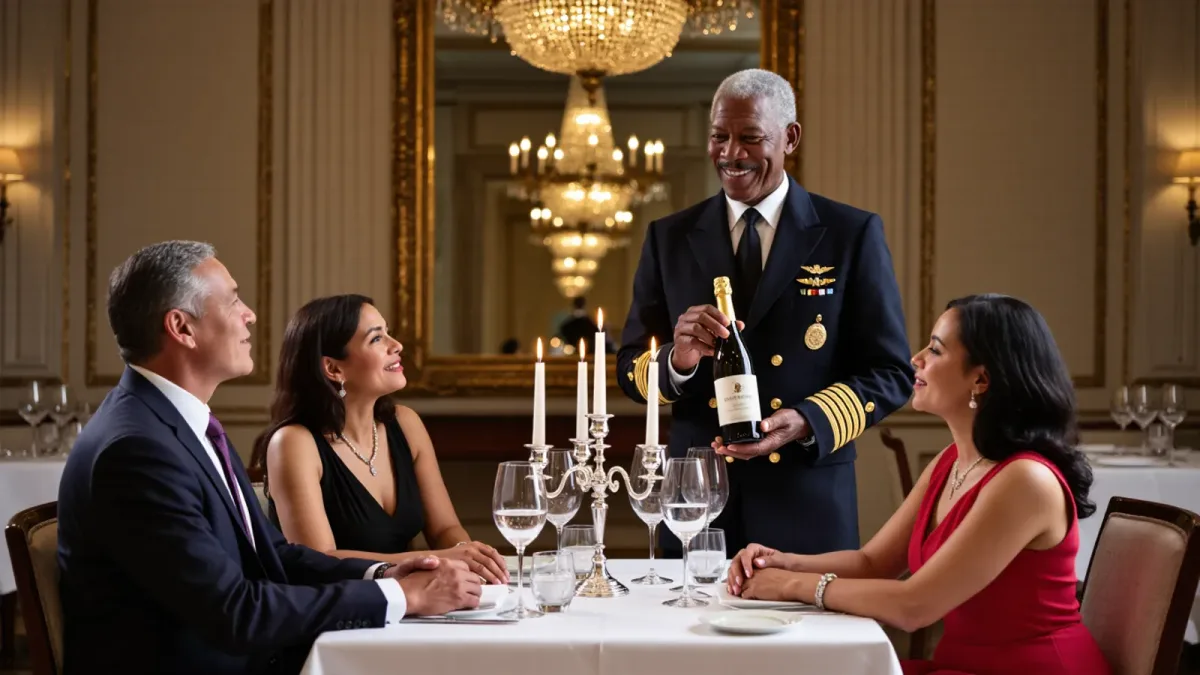
The French houses that ruled mid-century New York set the service, the pacing and the ambition that American fine dining still runs on.
The city's dining journalism began as society gossip, became a serious literary form mid-century, and turned into the data business we read today.
Between roughly 1918 and the mid-1930s, Harlem's dining rooms and supper clubs turned Southern cooking into uptown high culture.